
Understanding assistive technology and the NDIS
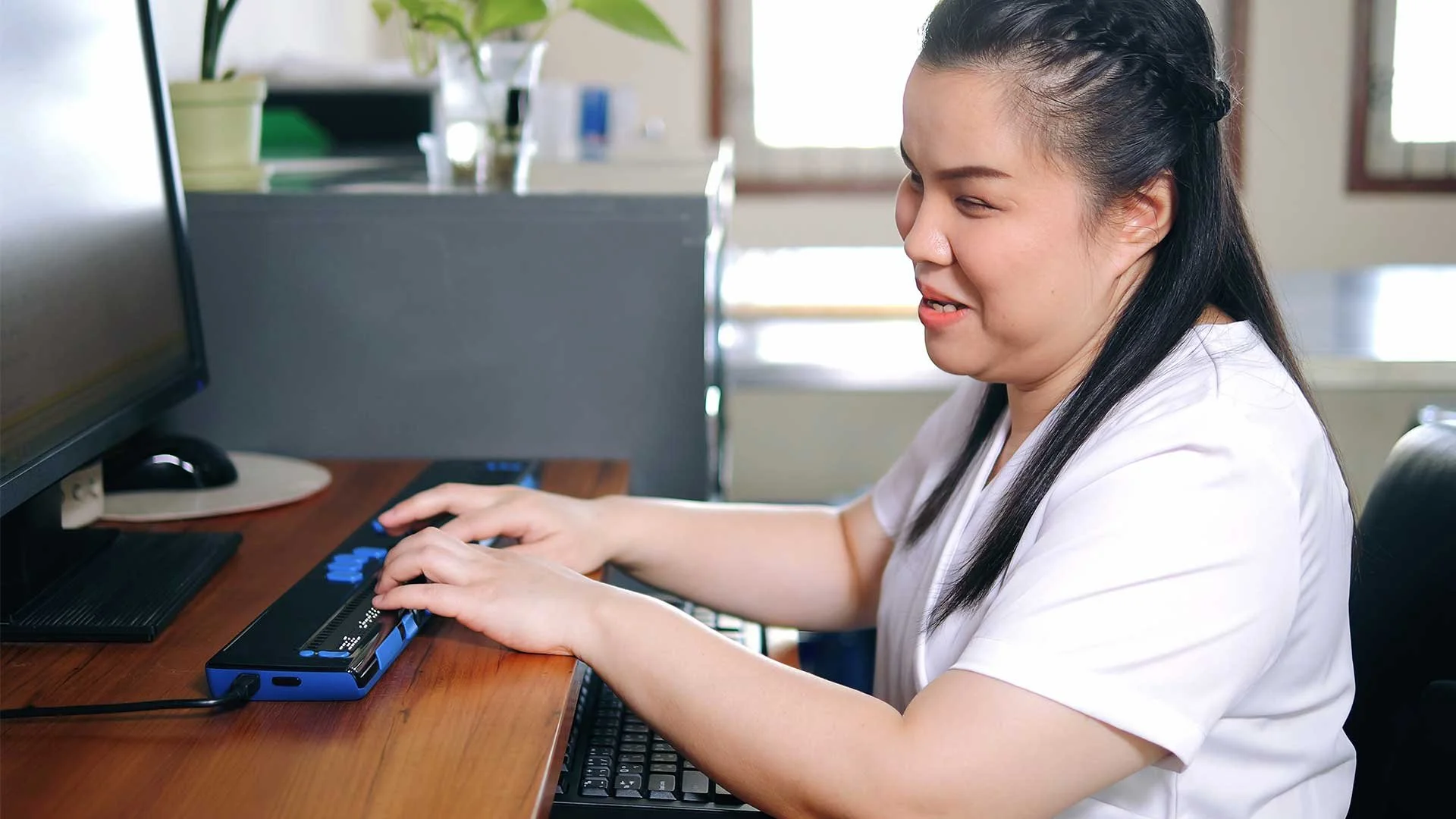
As support coordinators and specialist support coordinators, our team is often asked about assistive technology. What is it, how is it funded under the NDIS and how to ensure the rights supports are in place.
We asked Jodi Perkin, JP Trusted Advisor’s Director and Specialist Support Coordinator to answer some of the most frequently asked questions we receive and also talk through what participants, their families and carers might need to consider.
From understanding what qualifies as assistive technology, through to what happens when equipment needs repairing or replacing and how the right equipment, device or technology can make a big difference to a participant’s’ needs and everyday living.
What is assistive technology?
“Assistive technology is specialised equipment, devices or technology that helps a person with disability do something that they are unable to do or find it difficult to do by themselves,” says Jodi. “It can support you to do things easily, safely and independently.
“This specialised equipment can be modified cutlery, enabling a person to be able to independently feed themselves or it could be a powered wheelchair or a communication device.
“What is important to understand is, assistive technology is about supporting a person and enabling them to live their life the way they choose, while helping them maintain or achieve independence and work towards reaching their goals,” explains Jodi.
What are the five categories of assistive technology?
“There are a few different ways to categorise assistive technology, but I find it helpful to think about it in five categories based on how assistive technology can support you in your daily life,” says Jodi.
“The first is mobility and transfer aids. This type of equipment or assistive technology supports movement, for example it could be a wheelchair or a hoist.
“Daily living aids can help you with everyday tasks around the home, such as shower chairs, modified kitchen equipment or aids to help you get dressed.
“The third category is communication and information technology, including specialised equipment such as speech devices, eye gaze systems, iPads and/or apps that help support people communicate.
“Sensory supports are another category, which can assist people with vision or hearing impairments, for example hearing devices and screen magnifiers. And the last category I use is environmental supports and assistive equipment, which can include items such as adjustable beds,” explains Jodi.
“Each of these categories plays a different role in a person’s life, but ultimately, they are all about supporting your independence and participation in daily life.”
What qualifies as assistive technology under the NDIS?
“This is one of the most common and most important questions we are asked,” says Jodi.
“For assistive technology to be funded under the NDIS, it has to meet the reasonable and necessary criteria. That means, the NDIS will look at whether the item is directly related to your disability and whether it is the right solution for your needs.
“The NDIS will also consider whether the assistive technology is something the NDIS is responsible for funding because some supports sit within other systems such as health or education. Something else to be mindful of, is that not everything you use in daily life is considered assistive technology. Everyday household items aren’t funded unless they are specifically adapted for your disability. The NDIS also looks at assistive technology in terms of cost and risk and they use two product categories ‘low’ and ‘high’ to assess the complexity of your assistive technology needs.
“For example, low risk assistive technology products are unlikely to cause harm in your daily life, are available for a trial period, can also be purchased from retail stores and are easy to set up and safe to use without the need to seek professional advice or help. Whereas, higher risk assistive technology products can be complex, can cause harm, are used for a restrictive practice and require assistance from a professional for setup, to provide training for safe use and advice.
“From a cost perspective, assistive technology is generally grouped into low cost under $1500, mid cost which is between $1500 and $15,000 and high cost which is over $15,000. The higher the risk and the cost, the more evidence and formal assessment is required,” says Jodi.
I already use assistive technology in my day to day living, but what happens if I need my assistive technology repaired or replaced?
“This is something people don’t always realise, the NDIS does fund repairs and maintenance services for assistive technology that you are currently using,” explains Jodi. “The NDIS includes funding for repairs and maintenance in your plan, you don’t need an assessment to have these funds included, it is based on whether you have reasonable and necessary mid or high cost assistive technology that you are using.
“If your equipment needs repairing due to wear and tear or accidental damage, there should be funding included in your plan to cover it. Minor repairs might come from your Core budget, while more significant repairs or servicing is usually funded through your Capital budget. If you have funds remaining after you have purchased your assistive technology, you can also spend these funds on repairing and maintaining your assistive technology,” says Jodi.
“When it is time to have your assistive technology repaired be sure to check your plan and see what funding is available and contact your assistive technology repair provider. If you are unsure about your funding or don’t know who to contact, your JP Trusted Advisor support coordinator or specialist support coordinator can help you. Always get a quote so you know how much the repairs will cost. If your repairs are going to cost more than $1500, you usually need to supply a quote to the NDIA before a payment request can be accepted.
“In some cases, it can actually be more appropriate to replace the item rather than repair it, especially if your equipment is no longer safe to use, no longer meets your needs or is breaking down frequently,” explains Jodi.
“The NDIS can fund replacements and in some situations the process can be quite straightforward, especially if your needs haven’t changed significantly. The NDIS can also fund temporary solutions and you may be able to rent equipment while you are waiting for a replacement.”
Can JP Trusted Advisor support me with assistive technology?
“Absolutely, this is a part of what our support coordinators and specialist support coordinators do,” says Jodi.
“Assistive technology isn’t just about choosing a piece of equipment. It is about understanding how that support fits into your life, your goals and your NDIS plan. At JP Trusted Advisor, we support our clients through that process.
“We start by understanding your needs, what is working, what isn’t and where assistive technology might help to make a difference. From there, we help you navigate the NDIS requirements, making sure any requests are aligned with your goals and meet the funding criteria.
“Your support coordinator or specialist support coordinator can also help you coordinate assessments with the right professionals, whether that is an occupational therapist, physiotherapist or another assistive technology advisor. We can support you in gathering the right evidence, help you prepare for planning meetings or a review and ensure everything is presented clearly.
“And, most importantly, we can help you make informed decisions, so you aren’t just choosing something that seems right, but something that will support your independence while also helping you to achieve your goals. What’s more, our support doesn’t stop once funding is approved either. We can continue to assist you with implementation, provider coordination and help you plan ahead for the future,” says Jodi.
“Assistive technology can make a significant difference in a person’s life. However, it is important to get it right. My advice is always take the time needed to explore all of your options, get the right advice and make sure the solution will meet your needs.
“When the right supports are in place, assistive technology can open up opportunities, help build your independence and support you to live your life the way you choose,” says Jodi.